Every punter’s got a plan until the welcome bonus runs dry. That’s the bit the brochures skip. After years of reviewing these places, our take is straightforward: this mini roulette strategy is built less around snagging the headline deal and more around what keeps showing up six months down the track. We tested it across a few platforms, including doghousemegawaysdemo.net, and the pattern was the same: a slower wager, a quieter brag, and frankly the one most regulars reckon actually works.
Why Ongoing Value Beats the Welcome Bonus

Most strategy guides tell you to chase the welcome bonus and run. That’s fine advice for someone logging on for a week. The mini roulette strategy we’re laying out here assumes you’re the sort who logs in on a Tuesday arvo three months later, sees a familiar cashier, and still wants something to play with.
The framework is straightforward: recurring promos, weekly cashback on net losses, a tiered loyalty ladder that actually pays, and monthly tournaments with real prize pools. In our testing, the pattern is consistent: the ones who retain players run the same four pillars, in roughly the same order.
| Pillar | What a Strong Version Looks Like |
|---|---|
| Recurring promos | Weekly reloads, scheduled not random |
| Cashback | 10-15% on net weekly losses, paid in real cash |
| Loyalty ladder | 5-6 tiers with achievable perks |
| Tournaments | Monthly cadence, transparent leaderboard |
Skip any one and the casino turns into a ghost town. Stack them all and the place earns repeat play by changing bonus behaviour over time. Australian player behaviour favours slow, regular sessions over the binge-and-quit pattern popular elsewhere, which is why this strategy travels well across operators in the region.
The reason the welcome bonus alone doesn’t work is structural – it’s front-loaded value designed to be spent, not banked, and once the rollover’s gone the only thing left is whatever survives the fine print. A 100% match up to $500 sounds generous until you read the 40x wagering requirement. By the time the bonus is cleared, the bankroll is usually halved, and the operator has already won twice. This strategy treats the welcome offer as the first deposit on a longer relationship, not the whole romance.
The Mechanics of a Patient Method
The Bet Sizing Layer
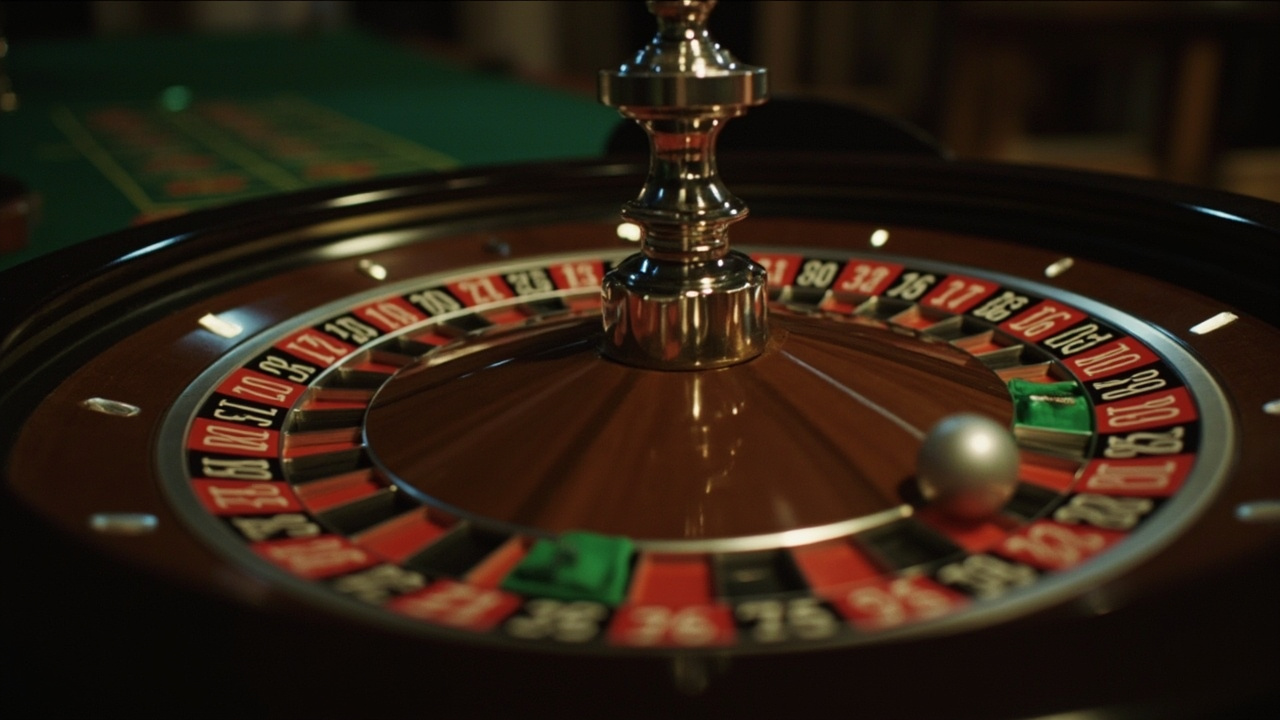
Mini roulette runs on a 13-pocket wheel rather than the standard 37 or 38, compressing variance into something almost absurd. Five reds on a European wheel is unremarkable; the same run on mini roulette feels like a cataclysm. Even-money wagers still pay 1:1, but the house edge jumps from roughly 2.7% in French roulette to about 7.7%. Straight-up number bets sit at a chunkier 8.1% edge but pay 11:1 instead of 35:1, which is why some punters chase them anyway.
The strategy treats mini roulette like a poker cash game, not a slot. A flat unit of 1-2% of session bankroll per spin keeps you in the conversation long enough for the promotional layer to do its work. Anything resembling a Martingale or Fibonacci eats through a bankroll in roughly the time it takes to brew a cuppa. We watched a mate burn through three weeks of cashback in an hour at a pub outside Dubbo. Flat staking, the boring cousin of progressive systems, is the engine. The aim is to outlast the welcome offer, not beat the wheel.
The Promotional Layer
This is where the strategy earns its keep. The promotional layer assumes the casino is paying you to play, not the other way around. Stagger deposits to catch each reload bonus, time sessions around tournament windows, and withdraw winnings when the bonus-to-cash ratio tips your way.

For players who prefer the traditional format, real-money French roulette is a separate beast with much friendlier odds across the board, though the same promotional discipline still applies. Some platforms tie a progressive jackpot to the mini roulette wheel itself – pots that genuinely grow week to week, even if the odds of catching one are astronomically long. Players who treat their account like a small business – inflows logged, outflows tracked, promos stacked – outperform the casual crowd by a country mile. From ancient dice to online pokies, humans have always loved a wager, but the modern regular has spreadsheets where the Roman legionaries had prayer. That’s a working method.
How the Method Fits the Player
This isn’t the strategy for someone chasing a single big score and walking away. The maths simply doesn’t support that read on mini roulette. It’s a method for the player who treats their account like a slow-cooker – turn it on in the morning, check it through the arvo, and trust that accumulated returns are doing more work than any single spin ever could.
It suits the regular who has a Tuesday night session, a Saturday morning reload, and a quiet eye on the monthly tournament leaderboard. It suits the player in regional New South Wales who’d rather log in from the back deck than drive an hour to the nearest club. It suits anyone who has ever closed a tab without quite remembering why they were there in the first place, and decided that being busy as a one-armed bandit wasn’t actually the goal.
Above all, it suits the punter who has realised the welcome offer is the bait and the ongoing value is the meal. That reframe alone is worth the price of admission, and the strategy simply makes the rest easier to manage. Head cleared of romantic notions about the wheel is the prerequisite – the same way a sensible investor treats the markets as a series of small repeatable bets, not a single lottery ticket.
The mini roulette strategy here isn’t glamorous. It’s a working method for the regular punter who values recurring promos, real cashback, and a sensible loyalty ladder. Use it as written, treat the wheel as background noise, and let the promotional structure do the heavy lifting. The operators running this kind of structure are usually the ones still standing five years later; the welcome-bonus-only outfits have mostly come and gone.